
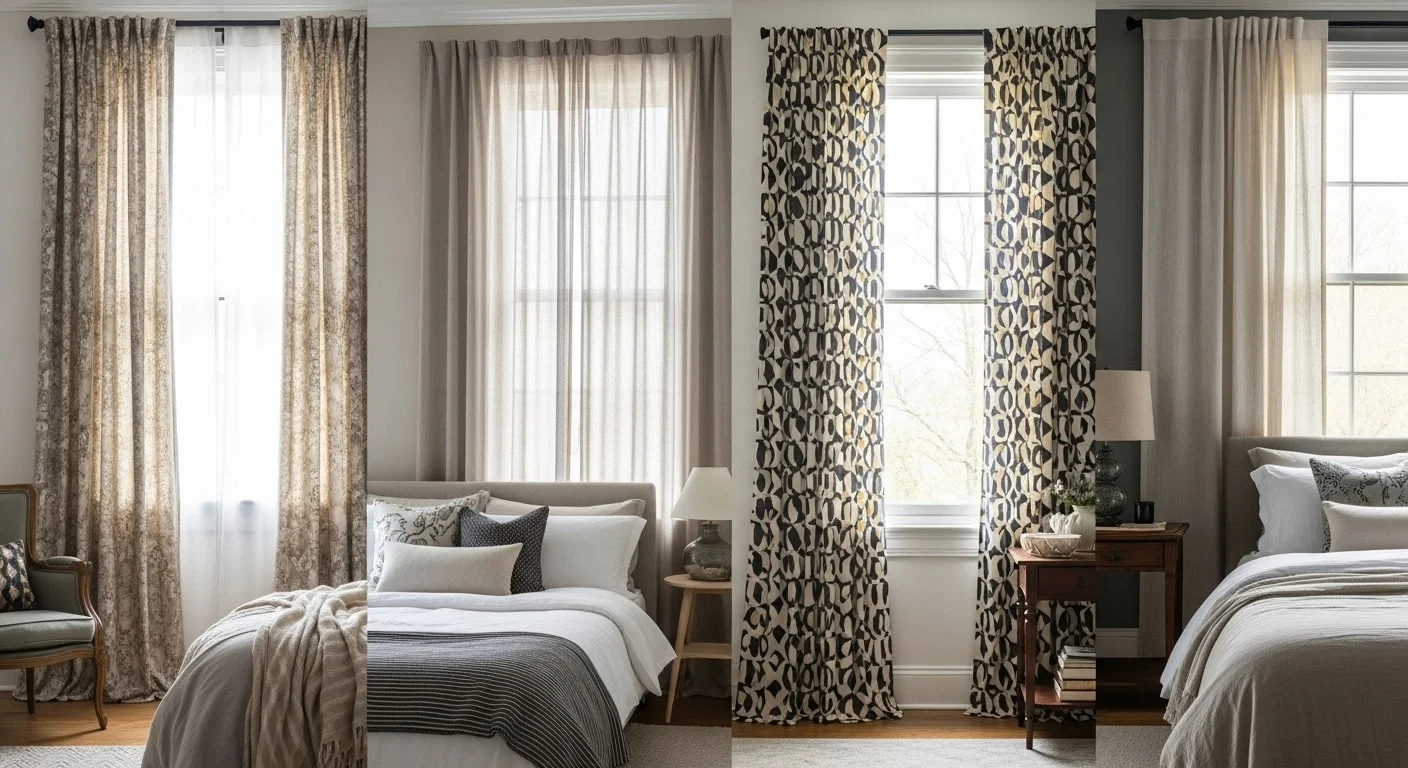
Choosing a Curtain Style for Bedroom That Feels Right
You ever notice how hotel rooms always feel a little more peaceful? It’s not just the mini shampoo bottles or the crisp sheets — it’s the curtains. Seriously. Heavy blackout drapes, gentle sheers, that slow light glow when the sun hits just right. It’s designed.

Your bedroom deserves that level of intention too. Not a random panel from the clearance rack. The right curtain style for bedroom doesn’t just “go with” the room — it sets the whole mood. Let’s figure out how to get you there.
Start With What You Wake Up To
Mornings hit different depending on your curtains. Sheer curtains let the light in slow, kind of like easing into the day with a warm cup of coffee. Blackouts, on the other hand, are for when you want the sun to wait its turn.

Neither is wrong. Just depends on whether you’re a natural riser or someone who believes mornings are a myth. The curtain style should help your body feel at home in its rhythm.
Texture Sets the Tone
It’s funny how much texture speaks without saying a word. Cotton feels breathable and casual. Linen? That loose weave whispers effortless. Velvet? Now we’re talking drama — rich and cocooned.
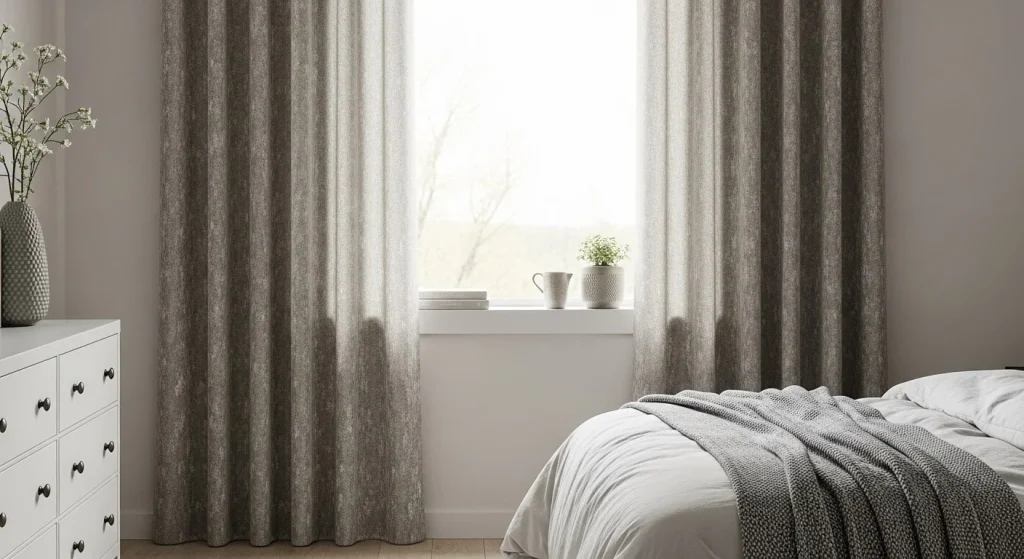
Your curtains don’t need to match your bedspread, but they should echo the feeling. A soft, textured curtain makes a room feel finished even when the bed isn’t made. (And let’s be honest — it isn’t always.)
Light, But Not Just Light
How light comes into your bedroom isn’t just about brightness — it’s about temperature, softness, privacy. A gauzy curtain diffuses morning rays into a warm spill across your rug. A double-layered setup lets you adjust like a mood dial.

If you share your room with someone on a different sleep schedule? Layered curtains might save your relationship. No more accidental wakeups when someone opens the blinds at 7 a.m. on a Sunday.
Color as a Quiet Anchor
People often think curtains should blend in. I disagree. They should belong, yes — but that doesn’t mean they disappear. A deep navy in a mostly white room creates grounded calm. A soft rose against taupe brings in just enough warmth.
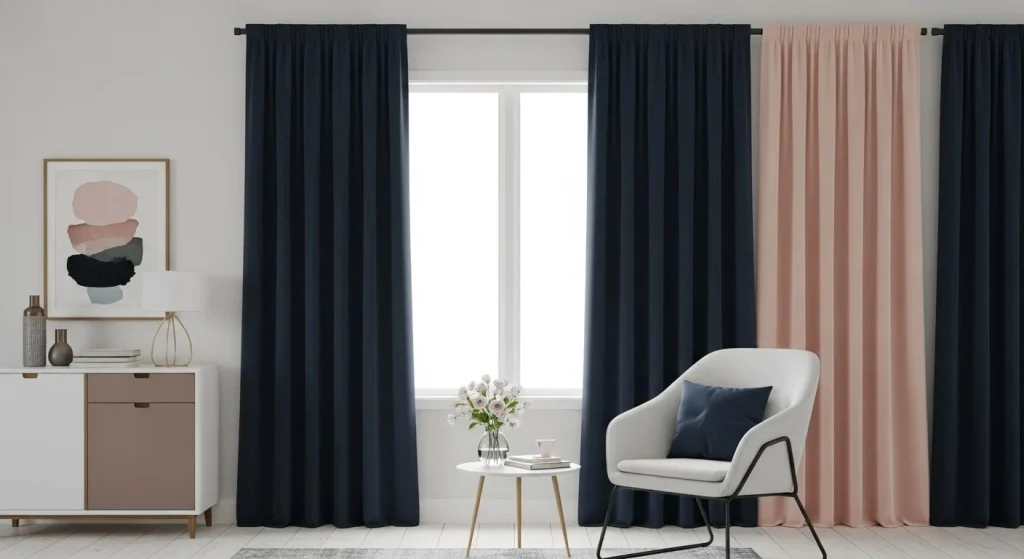
You don’t have to commit to a bold hue, but don’t sleep on what color can do for your mood. Think about what you want to feel when you close those curtains at night.
Prints: Friend or Foe?
This one’s tricky. Patterns in the bedroom can go one of two ways: they add life, or they keep you up. A small, repetitive pattern might soothe. A big, loud floral? Could overwhelm if not balanced.
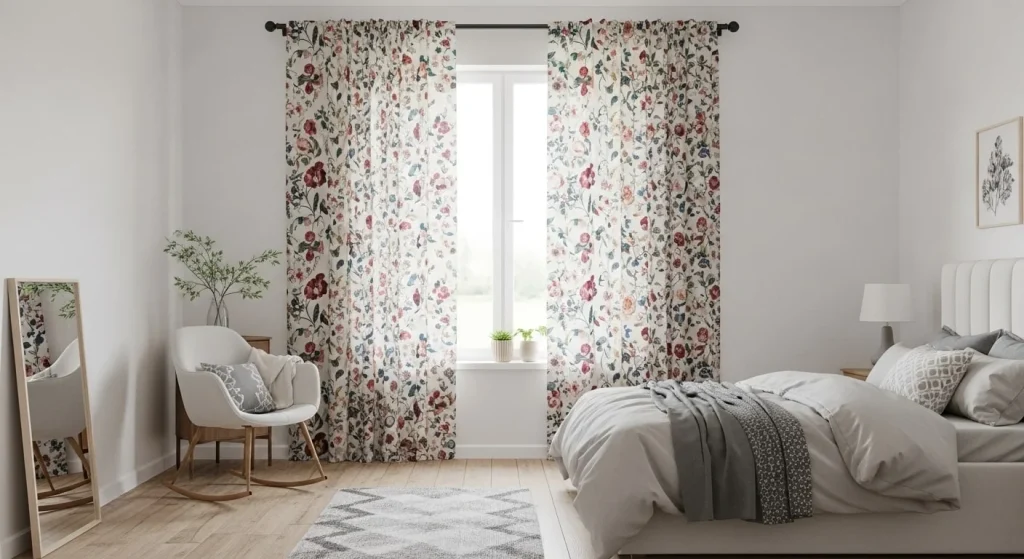
But if you keep the rest of the space simple, patterned curtains become the story. The trick is scale. Your curtains shouldn’t scream — but a quiet statement? That’s welcome.
Rods, Rings, and Headers — The Curtain’s Backbone
We don’t talk enough about headers. Grommet tops feel modern and clean. Pleats feel classic, even formal. Rod pocket styles are a little more cottage-core, soft around the edges.
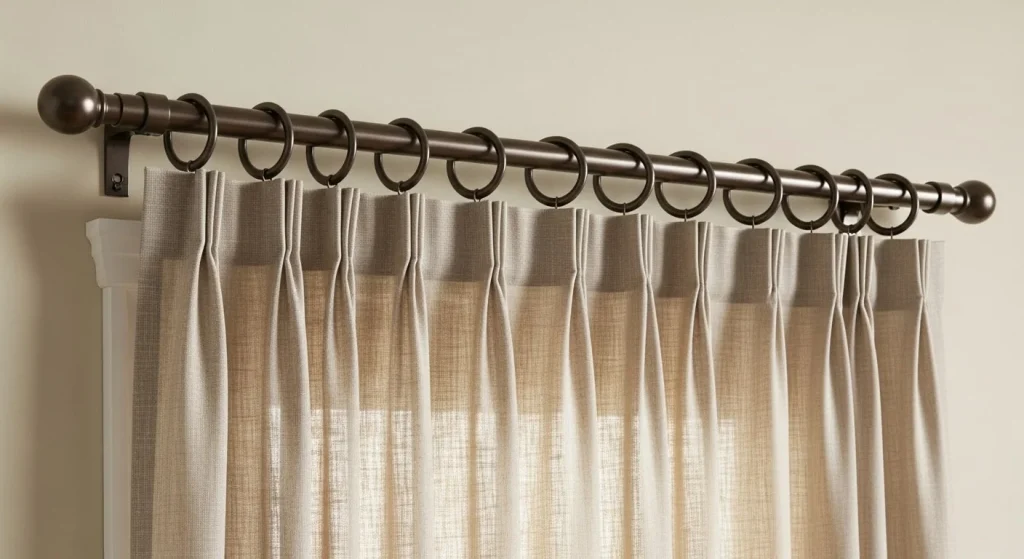
These details shape how your curtains hang — literally. The way they fall, the space they take, how much light sneaks in around the edges. It’s architecture, just in cloth.
Curtain Length: Floor-Sweeping or Clean-Cut?
There’s no universal rule here. Some people like their curtains to puddle like spilled silk. Others want them to hover just above the floor like they’re trying not to touch.
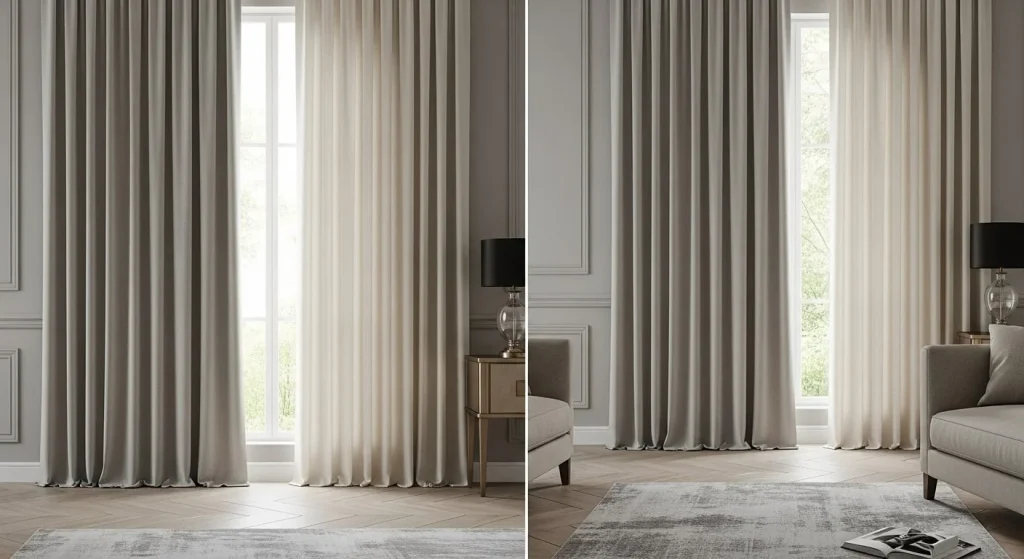
Puddled curtains feel romantic, a little undone — the kind of room where someone might read poetry at midnight. Trim hems are cleaner, more hotel-like. What fits better with how you actually live?
Don’t Forget What’s Behind the Curtain
A liner doesn’t seem like a big deal — until it is. It changes how the curtain hangs, how much privacy you get, and even how well your curtains last. It’s the unsung hero of the setup.

Especially if you love sheer fabrics but also want to nap at noon. A hidden liner lets you keep the lightness and block the glare when needed. It’s the combo nobody regrets.
Layering Adds Intentionality
Want your room to look put together without trying too hard? Layer your curtains. A sheer inside with a heavier panel outside adds dimension, movement, and flexibility.
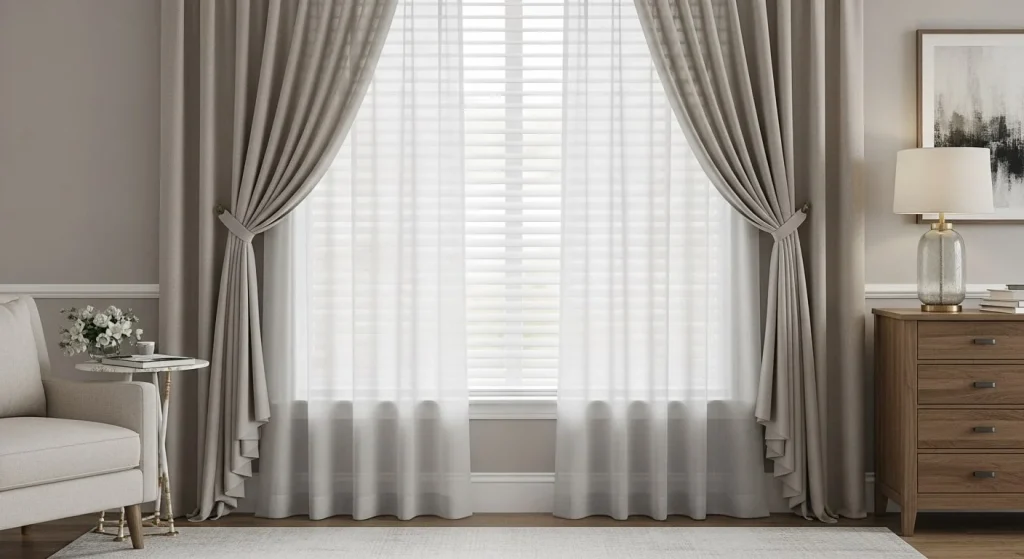
You can adjust to the day. Keep it breezy or shut the world out. Plus, the visual weight of layered curtains makes the window feel like part of the room, not just a blank spot on the wall.
Match? Coordinate? Contrast? Go With the Flow
There’s pressure to make your curtains “go with” your duvet, your rug, your throw pillows. Sometimes that works. Other times, it feels like trying too hard. Harmony doesn’t always mean matching.
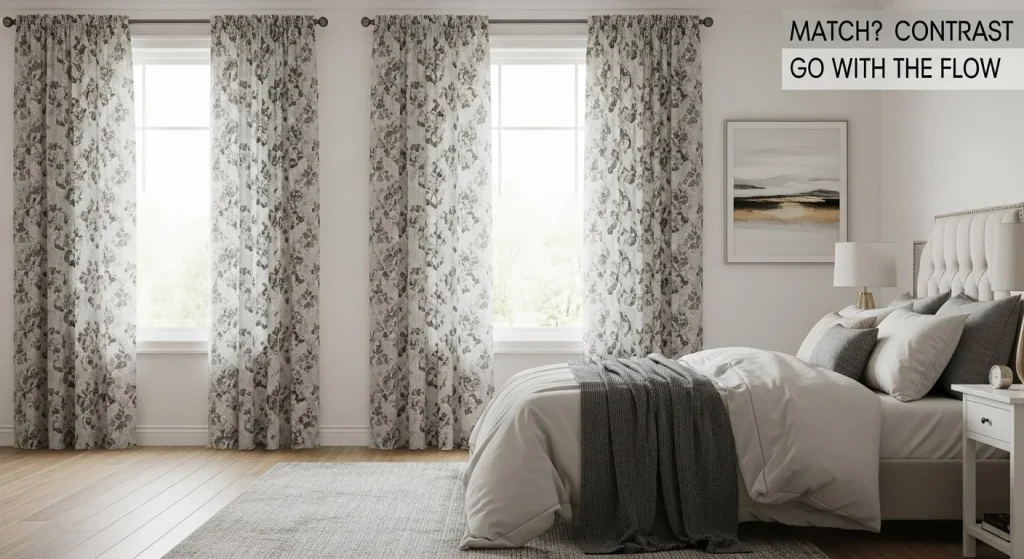
Let the curtains pull color from elsewhere in the room — a soft echo of your headboard, or a tone that shows up in your artwork. It doesn’t have to be obvious. Just intentional.
Personality Without Chaos
The bedroom’s your recharge zone, so the curtain style should reflect that. Maybe it’s bold and expressive, or soft and calming. But it should always feel like you.
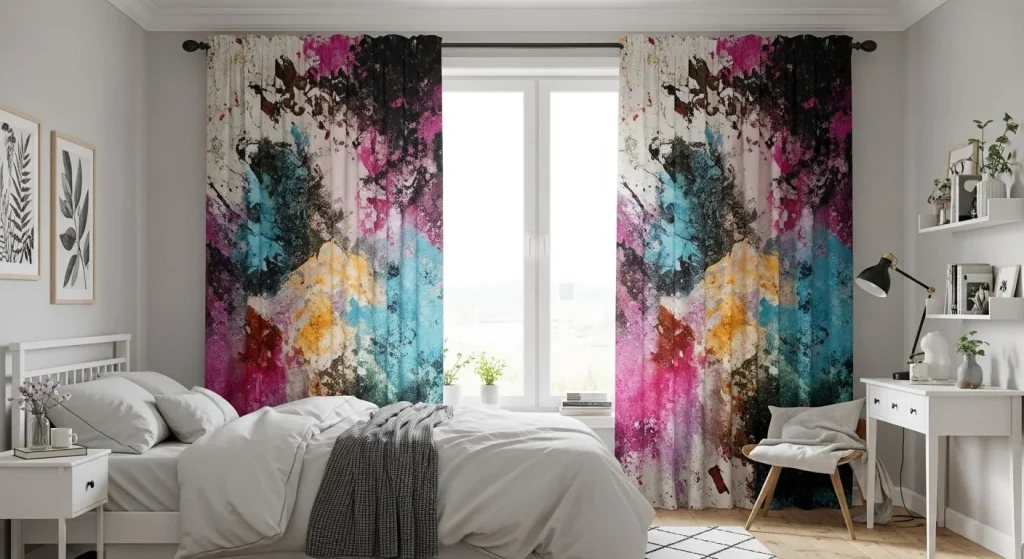
You want personality, not chaos. If you’re going for loud curtains, soften the surrounding space. If your room already has a lot of voice, let the curtains be a quiet nod.
Practical Doesn’t Mean Boring
We all love aesthetics, but don’t forget the basics: how often do you open your curtains? Do they snag? Are they easy to clean? Do they fade in strong light?
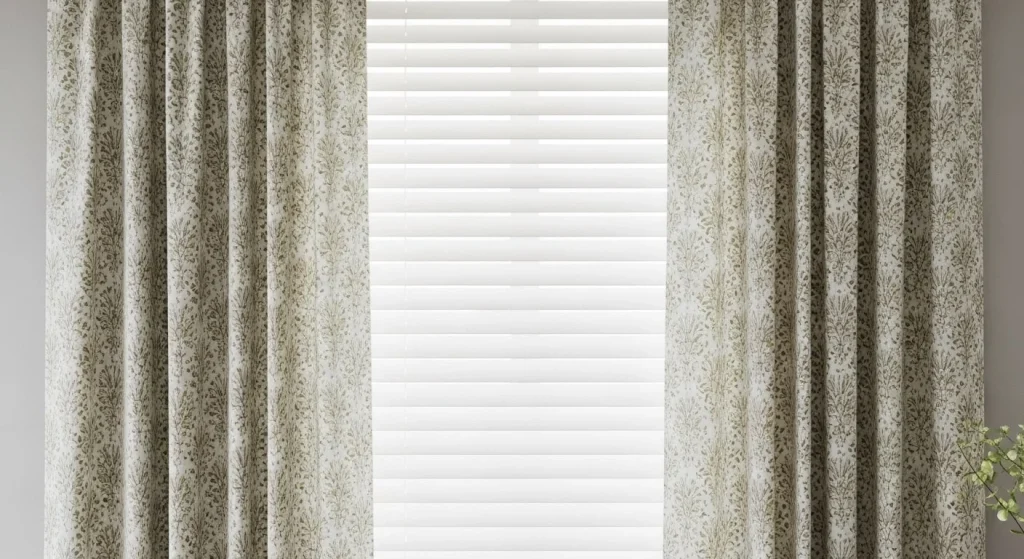
A curtain you have to wrestle with every day will get on your nerves. Something beautiful and practical will never go out of style. Choose with both heart and brain.
When to Break the Mold
Got a weird window? Asymmetrical space? Low ceilings? Forget the standard solutions. Sometimes what works best is something made to look like it shouldn’t — but does.

Hang curtains high to fake taller ceilings. Extend rods beyond the window to widen it visually. This is where playing around leads to unexpectedly brilliant results.
Curtain Style Isn’t Just Decor
The bedroom is private space. Where you cry, laugh, crash after long days. The curtain style you choose should protect that. Honor it. Set the mood for whatever the day asks of you.

It’s not just about color and length. It’s about how the fabric moves when you open it. How it feels to brush your hand against it. That stuff matters more than most catalogs will ever tell you.


