
Why Coastal Living Room Ideas Never Go Out of Style
There’s something undeniably comforting about a coastal living room. It doesn’t have to scream beach house with seashells everywhere — it’s more about the feeling. You walk in, and it’s light, easy, unforced. The kind of space where bare feet make sense and nothing feels too precious to touch.

Coastal living room ideas stay popular because they’re not tied to trends. They lean into natural textures, soft colors, and a sense of openness. You could be in Maine or Malibu or nowhere near water — and it still feels right. That’s the charm. It’s less about geography and more about mood.
Choosing the Right Color Palette for a Coastal Feel
The classic blue and white combo always works, but there’s more room to play than people realize. Think soft sand tones, pale driftwood greys, sea-glass greens, and warm whites with a hint of cream. These colors breathe. They don’t compete with each other. They just coexist, quietly.

One smart move is to keep the base light — maybe white or off-white walls — and then bring in color with fabric, art, and accents. If you’ve got large windows or decent natural light, this palette makes the room feel twice as big. It’s about expansion, not confinement.
Natural Materials That Make a Big Difference
Coastal spaces rely on texture. Linen that wrinkles, wood that’s slightly worn, baskets that look like they’ve been passed down. These things tell a story without being loud. You want the room to feel like it evolved, not like it was installed last Tuesday.

Rattan chairs, driftwood coffee tables, jute rugs — these are the unsung heroes. They add visual weight without cluttering the space. Even a small piece, like a woven lamp shade or a rope-handled tray, can quietly anchor the room in that breezy, barefoot vibe.
Furniture That Matches the Coastal Energy
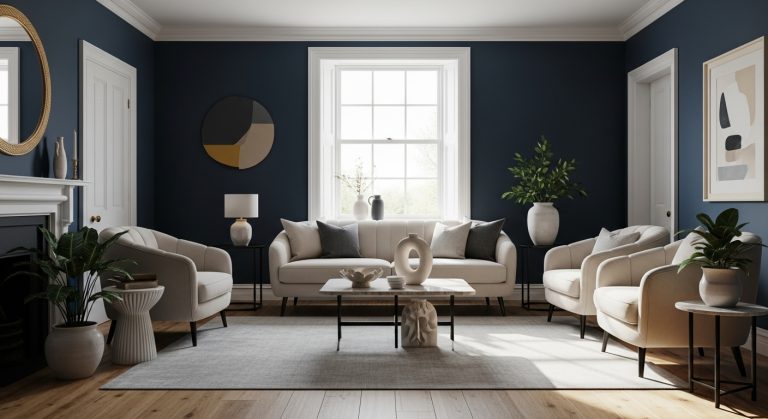
Coastal furniture doesn’t try too hard. It leans back. Think oversized slipcovered sofas, soft cushions, nothing too angular or shiny. If a chair looks like it belongs on a porch with a book and a lemonade, it probably works inside too.

The trick is comfort without bulk. You want to be able to stretch out, sure, but also move around easily. Coffee tables with open legs, light wood tones, and side tables that look handmade — they bring air into the space. Avoid glossy or ornate finishes. Nothing should feel stiff.
Layering Coastal Textiles and Fabrics
This is where a lot of personality comes in. Striped throws, chunky knit pillows, gauzy curtains that flutter when the window’s cracked open. These details aren’t just decorative — they make the room feel lived in. Like someone actually naps here.

Mixing textures — not patterns — is key. Linen against cotton, wool against rattan. The contrast brings warmth without crowding. You don’t need 12 pillows, just the right ones. And don’t be afraid of faded tones — they add a sense of history, like these things have seen a few sunsets.
Art and Decor That Capture Coastal Quiet
You don’t need a giant photo of the ocean to get the message across. Art in coastal living rooms is more about suggestion than statement. Maybe it’s a watercolor of dunes. Maybe it’s just a canvas in soft blues and creams that feels like waves.

Other decor should feel accidental — like it found its way there. A piece of coral on a shelf. A glass vase with some dried pampas grass. Books that look like they belong. Even if it’s curated, it shouldn’t look curated. That’s the secret. It should feel like it was gathered over time.
Lighting a Coastal Living Room Just Right
Coastal light is soft, scattered, a little golden. So aim for warm bulbs and layered lighting. Overhead lights are fine, but they shouldn’t be the only source. Floor lamps, table lamps, even sconces — they all add dimension without overwhelming.

Natural light, of course, is the MVP. If you’ve got it, use it. Keep window treatments light and breezy — maybe sheer linen or cotton. No heavy drapes. Let the outside be part of the design. And if you’re stuck with a dark room? Mirrors can fake it better than you think.
Making a Coastal Living Room Work Year-Round
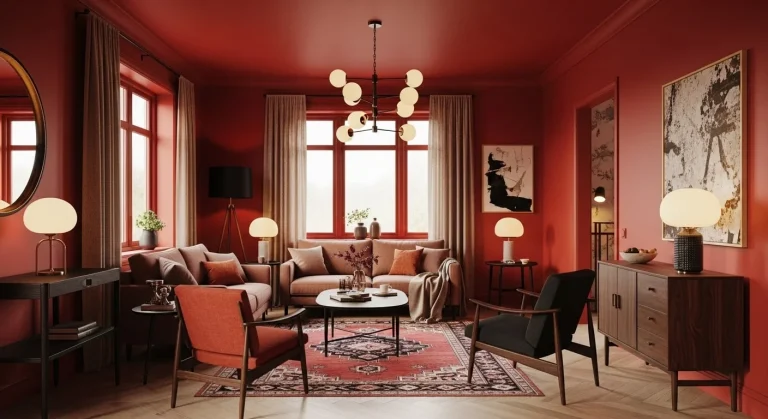
The best thing about coastal style is its versatility. Sure, it sings in summer. But with a few tweaks, it’s just as inviting in winter. Throw a knit blanket over the sofa. Add a few woodsy candles. Maybe bring in darker blues or even soft rusts for a seasonal shift.

Coastal doesn’t mean beach-only. It’s more about comfort and calm. That mood works when it’s snowing outside just as much as when it’s 80 and sunny. You just shift the accents, not the soul of the room. It’s timeless, in the best way.
Avoiding the Nautical Trap
This matters more than most people think. Coastal is a feeling — nautical is a theme. Anchors, ship wheels, rope knots… they have their place, but too much and it starts to feel like a seafood restaurant. The goal isn’t to replicate a boat — it’s to reflect a mood.

If you want a hint of nautical, keep it subtle. Maybe a navy stripe on a pillow or a vintage map framed on the wall. It should feel personal, not like a set. The most beautiful coastal living rooms don’t announce themselves. They invite you in slowly.
The One Rule That Isn’t Really a Rule
At the end of the day, a coastal living room should make you exhale. It should feel like a place where time slows down, where you can sit with coffee or wine and just be. If something feels too perfect, mess it up a little. If something feels too stiff, soften it.

The point isn’t perfection. It’s peace. If it makes you feel calm, you’re doing it right. That’s the only rule. Everything else is just decoration.